

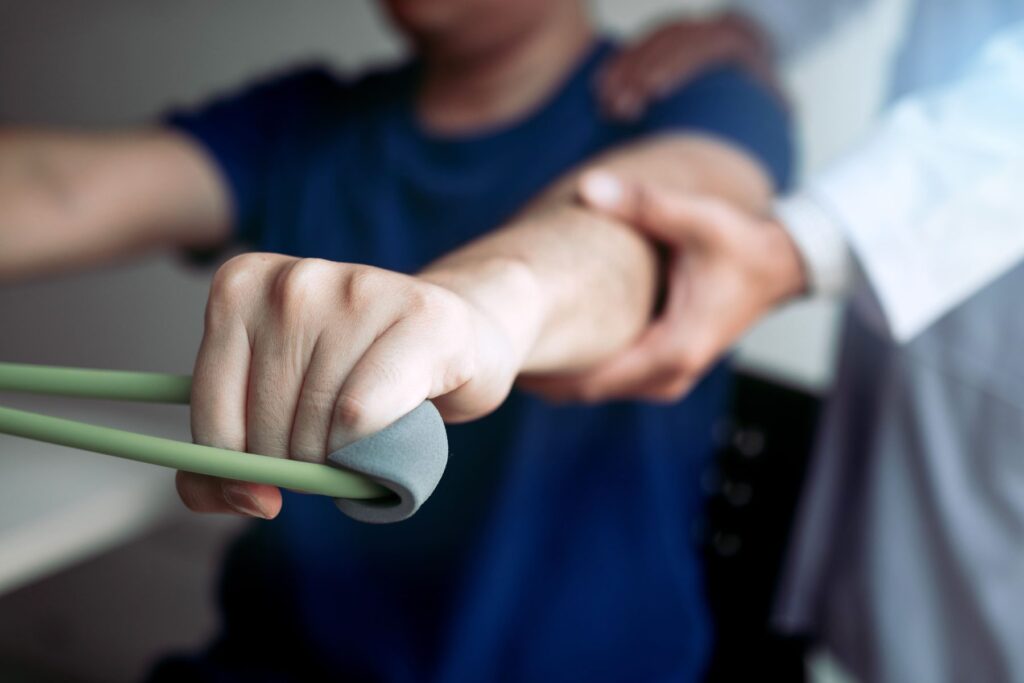
Muscle tension is a common source of aching, stiffness, headaches, and limited movement. It often develops gradually from stress, prolonged sitting, repetitive activity, dehydration, or a muscle strain. In many cases, gentle movement, heat, rest, hydration, and better body mechanics can help. Persistent or severe symptoms deserve medical evaluation.
What does muscle tension feel like?
Muscle tension may feel like tightness, soreness, heaviness, or a firm “knotted” area. Some people notice reduced flexibility or discomfort that becomes more obvious when turning the neck, lifting an arm, bending, or walking.
Common locations include:
- The neck and upper shoulders
- The lower back
- The hips and buttocks
- The calves and feet
- The jaw and muscles around the temples
Tension is not always the same as a cramp. A cramp is usually a sudden, involuntary contraction that may last seconds or minutes. General tension often feels more persistent and may be connected to posture, stress, overuse, or protective muscle guarding.
What commonly causes tight or sore muscles?
Several causes can overlap, especially when discomfort develops over days or weeks.
Stress and emotional strain
Stress activates the body’s “fight-or-flight” response. Muscles may remain partially contracted, particularly around the shoulders, jaw, neck, and upper back. Over time, this can contribute to headaches, aching, fatigue, and reduced range of motion. ([mayoclinic.org](https://www.mayoclinic.org/healthy-lifestyle/stress-management/in-depth/stress-symptoms/art-20050987?utm_source=openai))
People may not notice the tension until symptoms appear. Teeth grinding, raised shoulders, shallow breathing, and long periods of concentration can all maintain this pattern.
Prolonged posture
Sitting at a computer, looking down at a phone, driving, or resting in an awkward position can keep certain muscles working longer than intended. The issue is often not one “bad” posture but staying in the same position without enough movement.
Household tasks can create similar strain. Carrying children, gardening, cleaning, lifting storage containers, or working overhead may repeatedly load the neck, shoulders, back, or forearms.
Overuse or sudden activity
Muscles can become tight after exercise, yard work, recreational activity, or physical work that exceeds a person’s current conditioning. A sudden increase in walking, cycling, swimming, or strength training may also cause soreness.
A strained muscle involves injury to muscle fibers and may include localized pain, tenderness, swelling, bruising, or weakness. Continuing to force painful movement can delay recovery.
Dehydration and heavy sweating
Fluid loss can contribute to muscle cramps, especially during prolonged activity or warm, humid weather. Sweating may also affect the body’s electrolyte balance. Water is often appropriate for routine activity, but symptoms after heavy sweating, vomiting, diarrhea, or prolonged exertion may require more careful assessment. ([medlineplus.gov](https://www.medlineplus.gov/musclecramps.html?utm_source=openai))
Dehydration is more likely when people spend extended time outdoors and do not drink regularly. Thirst is not always an early warning sign.
Sleep position and insufficient sleep
A pillow that holds the neck too high or too low can cause morning stiffness. Sleeping on the stomach may also keep the neck rotated for several hours.
Poor sleep can make pain feel more intense and may reduce the body’s ability to recover from normal physical demands. Stress and sleep problems can reinforce each other, creating a cycle of tension and fatigue.
Medical conditions or medication effects
Recurring cramps or widespread muscle pain may sometimes be associated with thyroid disorders, nerve problems, circulation issues, kidney disease, pregnancy, or certain medicines. A new symptom that begins after starting or changing a medication should be discussed with a qualified healthcare professional. ([medlineplus.gov](https://www.medlineplus.gov/musclecramps.html?utm_source=openai))
How can muscle tension be relieved at home?
For mild tension without signs of serious injury, the goal is usually to restore comfortable movement rather than force the muscle to stretch.
Start with gentle motion
Slow walking, shoulder rolls, easy neck movements, or light range-of-motion exercises can reduce stiffness. Move only within a comfortable range. Sharp, increasing, or radiating pain is a signal to stop.

If tension developed from sitting, stand up periodically and change positions. People who work at a desk or spend long periods driving may benefit from brief movement breaks at least once each hour. ([medlineplus.gov](https://www.medlineplus.gov/ency/article/003178.htm?utm_source=openai))
Use heat for stiffness
A warm shower, heating pad, or warm compress may help relax a tight muscle and make movement easier. Use comfortable warmth rather than high heat, and avoid falling asleep with a heating pad.
For a new strain with swelling or bruising, cold may be more appropriate during the early period. Neither heat nor cold should be applied directly to bare skin for prolonged periods.
Stretch gradually
A useful stretch should create mild tension, not pain. Hold it steadily while breathing normally rather than bouncing. Stretching is often more comfortable after light movement or warmth.
For a calf that feels tight, for example, a gentle wall stretch may be reasonable. For neck tension, slow rotations and side bends are generally preferable to forceful pulling.
Practice relaxation breathing
Slow breathing can help reduce the muscle bracing associated with stress. Try inhaling gently through the nose, allowing the abdomen to expand, then exhaling slowly. Repeat for several minutes while consciously lowering the shoulders and unclenching the jaw.
Progressive muscle relaxation—briefly noticing and releasing tension in different muscle groups—may improve awareness of stress-related tightness. Relaxation techniques can also support chronic pain management and general stress reduction. ([mayoclinic.org](https://www.mayoclinic.org/healthy-lifestyle/stress-management/in-depth/relaxation-technique/art-20045368?referer=www.cuteslator.com&utm_source=openai))
Support recovery
Regular sleep, balanced meals, adequate fluids, and gradual increases in activity all support normal muscle function. After exercise, cool down with easy movement instead of stopping abruptly.
Massage or self-massage may temporarily ease stiffness for some people, but pressure should remain comfortable. Avoid deep pressure over an acutely injured, swollen, bruised, numb, or unusually warm area.
Which common approaches may make tension worse?
Stretching aggressively is not always helpful. Pulling hard on an injured muscle can increase irritation. Complete bed rest may also prolong stiffness when gentle movement is safe.
Another misconception is that every cramp is caused by low potassium or magnesium. Electrolyte problems are possible, but cramps may also result from exertion, dehydration, medications, nerve conditions, or other health issues. Taking supplements without knowing the cause is not automatically useful.
Pain that repeatedly returns should not be masked indefinitely. The pattern, location, timing, activity level, sleep, hydration, and medication changes can provide important clues.
When should muscle tension be medically evaluated?
Seek medical advice if pain is severe, keeps returning, lasts more than several days, or does not improve with simple measures. Evaluation is also appropriate when symptoms include swelling, redness, warmth, persistent weakness, numbness, or loss of movement. ([medlineplus.gov](https://www.medlineplus.gov/musclecramps.html?utm_source=openai))
Urgent care may be needed for sudden weakness, inability to move a body part, trouble breathing or swallowing, a very stiff neck with high fever, marked swelling, or muscle pain accompanied by dark urine or significantly reduced urination.
Chest pain with shortness of breath, sweating, dizziness, nausea, or pain spreading to the jaw, back, shoulder, or arm should be treated as an emergency rather than assumed to be muscle tension. ([mayoclinic.org](https://www.mayoclinic.org/healthy-lifestyle/stress-management/in-depth/stress-symptoms/art-20050987?utm_source=openai))
For local residents, the most practical first step is often to identify the pattern: Did the discomfort follow unusual activity, long sitting, poor sleep, emotional stress, or heavy sweating? That information can help distinguish ordinary tightness from a strain or a symptom that needs further assessment.