

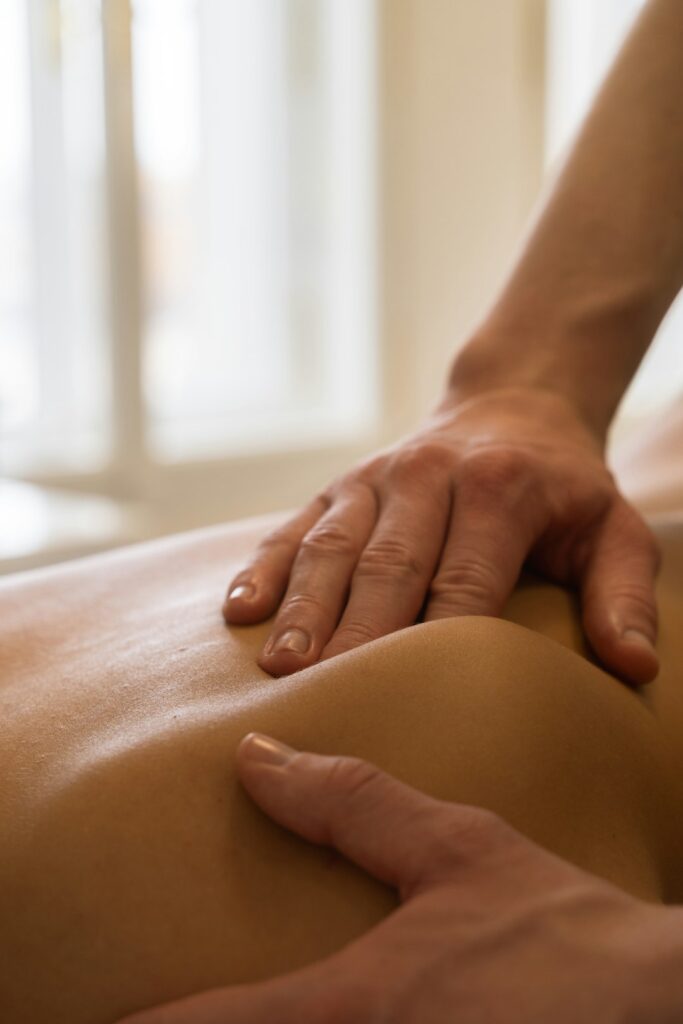
Stress is not only an emotional experience. It can also show up as tight shoulders, jaw clenching, shallow breathing, headaches, restless sleep, and persistent muscle soreness. Regular massage may help interrupt that pattern by combining focused touch, quiet time, and relief for areas that remain tense throughout the day.
Massage is not a cure for every cause of stress, and research results vary by person and condition. Still, it can be a useful complementary practice for people who want to support relaxation, body awareness, and healthier recovery from everyday physical and mental demands.
How can massage help the body respond to stress?
Massage may help reduce stress by easing muscle tension and encouraging the body to shift into a more relaxed state. Slow, comfortable pressure can make it easier to notice areas that have been bracing or tightening without conscious awareness.
Stress commonly affects the neck, shoulders, upper back, lower back, hips, and jaw. These areas may become uncomfortable after long hours of driving, desk work, caregiving, household tasks, or physical labor. Massage can address some of the muscular discomfort that keeps the body feeling “on alert.”
Many people also find that a quiet session provides a temporary break from screens, notifications, conversations, and problem-solving. That pause can be valuable in a community where work, family responsibilities, outdoor activities, and seasonal changes in daily routines compete for attention.
What are the main benefits of regular massage for stress relief?
The effects differ from one person to another, but regular massage may support several practical goals:
- Less muscle tightness: Relaxing overworked muscles may reduce the physical discomfort associated with stress.
- Improved body awareness: Massage can help a person recognize early signs of tension, such as raised shoulders or clenched hands.
- Easier relaxation: A calm environment and steady touch may make it easier to slow breathing and settle mentally.
- Short-term relief from tension-related discomfort: Some people experience relief from stress-associated neck pain, back discomfort, or tension headaches.
- Support for sleep routines: Massage does not treat every sleep disorder, but reduced muscle tension and a calmer evening routine may help some people rest more comfortably.
- A scheduled pause: Regular self-care creates protected time away from tasks that encourage constant mental activity.
These benefits are generally supportive rather than curative. Massage should complement, not replace, medical treatment, mental health care, exercise, sleep habits, or other strategies that address the source of ongoing stress.
Does massage reduce anxiety or cortisol?
Massage may reduce feelings of anxiety for some people, but it should not be described as a guaranteed treatment for an anxiety disorder. Studies have reported possible benefits, while other research has found limited or inconsistent results. More high-quality research is needed to determine how much massage helps different groups and conditions.
Claims about massage lowering cortisol, sometimes called the body’s stress hormone, are also more complicated than advertisements often suggest. A single session may influence how relaxed a person feels, but hormone measurements do not always translate directly into lasting improvements in health or mood.
For persistent worry, panic symptoms, depression, trauma-related distress, or major changes in sleep and appetite, massage is best considered one supportive practice rather than the primary form of care.
How often should someone receive massage for stress?
There is no universal schedule. Frequency should depend on stress levels, muscle soreness, budget, time, health history, and how the body responds afterward.
Some people prefer occasional sessions during especially demanding periods. Others use a consistent routine, such as every few weeks, to maintain awareness of muscle tension and relaxation habits. More frequent massage is not automatically better, particularly if sessions leave the body sore or fatigued.
A practical approach is to observe how long the benefits last. Consider whether sleep, muscle comfort, mood, and daily movement improve for hours or days afterward. If the effects are brief, other stress-management tools may need more attention as well, including regular walking, stretching, breathing exercises, social support, counseling, or improved sleep routines.
What type of massage is most appropriate for stress?
For general stress relief, comfortable pressure and a slower pace are often more suitable than aggressive techniques. A relaxation-focused session may emphasize broad strokes and steady pressure, while a muscle-focused approach may spend more time on areas affected by posture or repetitive activity.
Deep pressure is not required for effective stress relief. Excessive pressure can cause soreness, guarding, bruising, or a temporary increase in discomfort. The goal should be a tolerable, calming experience—not enduring pain in the belief that stronger pressure produces better results.
People who spend time outdoors in the heat, work physically demanding jobs, or remain active around water and changing weather may have different hydration, fatigue, and recovery needs. A lighter approach may be more appropriate after strenuous activity, sun exposure, illness, or poor sleep.

What should someone expect during and after a session?
A massage session usually begins with questions about health history, current discomfort, goals, pressure preferences, and areas to avoid. The person receiving massage remains covered except for the area being addressed, and positioning can be adjusted with pillows or side-lying support.
Communication matters throughout the session. Pressure should be reduced if it feels sharp, burning, excessively painful, or difficult to tolerate. Relaxation does not require silence; it is reasonable to ask for a change in pressure, position, temperature, lighting, or music.
Afterward, mild tenderness can occur, especially after focused work on tight muscles. Severe pain, significant bruising, numbness, dizziness, or symptoms that continue to worsen are not expected results. Gentle movement, normal hydration, and avoiding unusually strenuous activity immediately afterward may support recovery.
Who should use caution with massage?
Massage is generally considered low risk when performed appropriately, but some conditions require additional care. Medical guidance is especially relevant for people with:
- A recent blood clot, heart attack, or major surgery
- A bleeding disorder or use of blood-thinning medication
- Broken bones, severe osteoporosis, or significant nerve damage
- Open wounds, burns, skin infections, or areas that are healing
- Uncontrolled medical conditions or unexplained severe pain
- Pregnancy or complications related to pregnancy
Massage should not be used to delay evaluation of chest pain, sudden shortness of breath, new weakness, unexplained swelling, serious injury, or rapidly worsening symptoms.
How can massage work with other stress-relief habits?
Massage tends to be more useful when it fits into a broader routine. Between sessions, residents may benefit from noticing when tension develops during computer use, driving, household work, or sleep. Brief shoulder rolls, slow breathing, walking, and regular breaks can help extend awareness of the body’s stress signals.
The most realistic goal is not to eliminate every source of stress. It is to recognize physical tension earlier, create opportunities for recovery, and use massage as one part of a balanced approach to well-being.